

Gráinne O’Hare's Reading List
The 'Thirst Trap' author shares the books that helped inspire her grief novel set in the bars of Belfast.
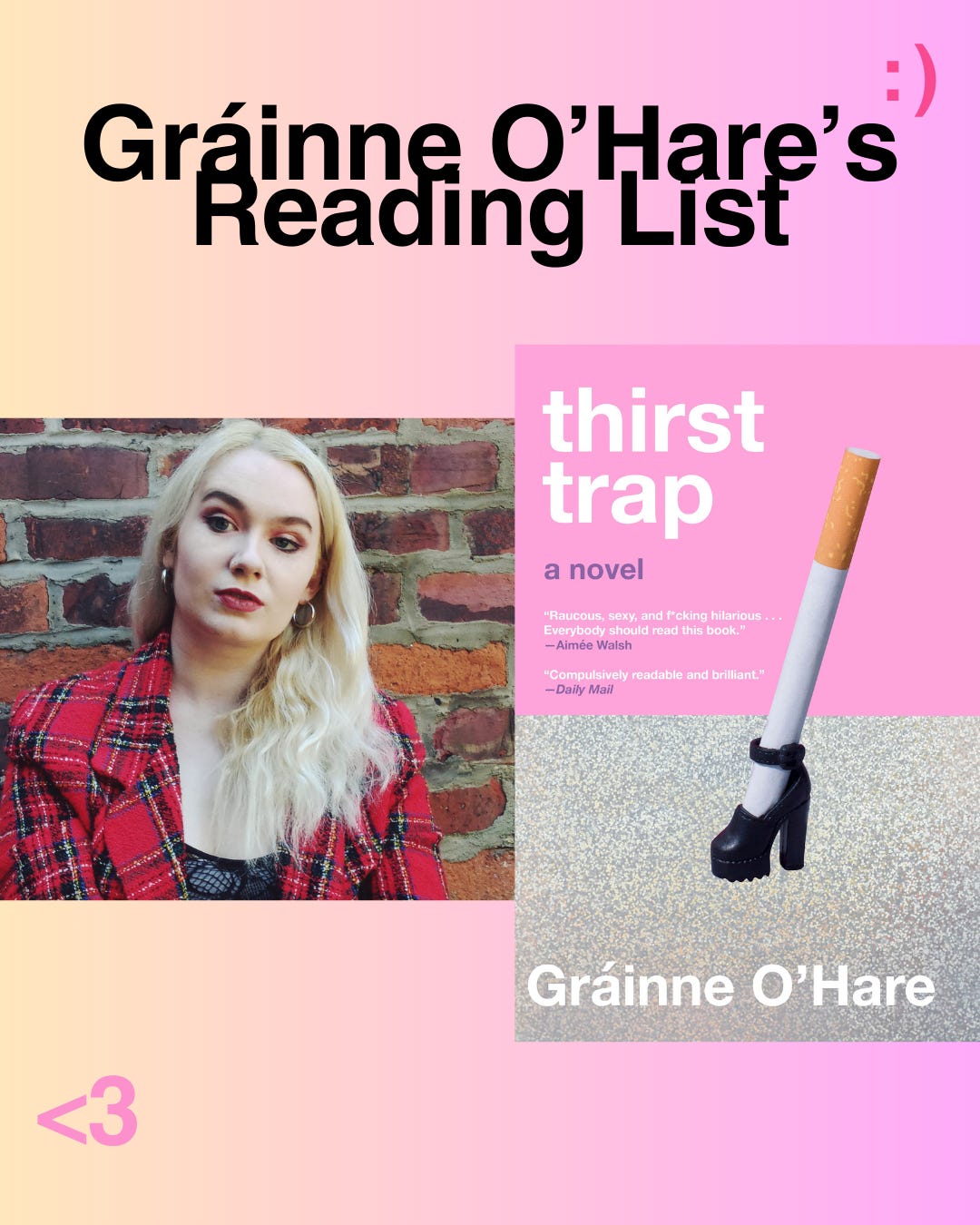
Hi :) Today we have an excellent books list from the Irish writer Gráinne O’Hare. In 2023, we tried to pitch a story to Nylon about Irish authors who weren’t Sally Rooney. They said no, to which we say: This is the beauty of Substack!
This book is about three roomies who hitting the Belfast bars, where they talk about jobs, boyfriends…everything except the empty room of their fourth housemate who died. As the fault lines in the group grow deeper, they must decide if their friendships are coming along with them as they barrel into their 30s. It’s a surprisingly FUN, erudite, and moving portrait of grief, and is for the girls who know that sometimes your pathway to healing occurs when you’re on the run from it.
Other things we’re thinking about this week…
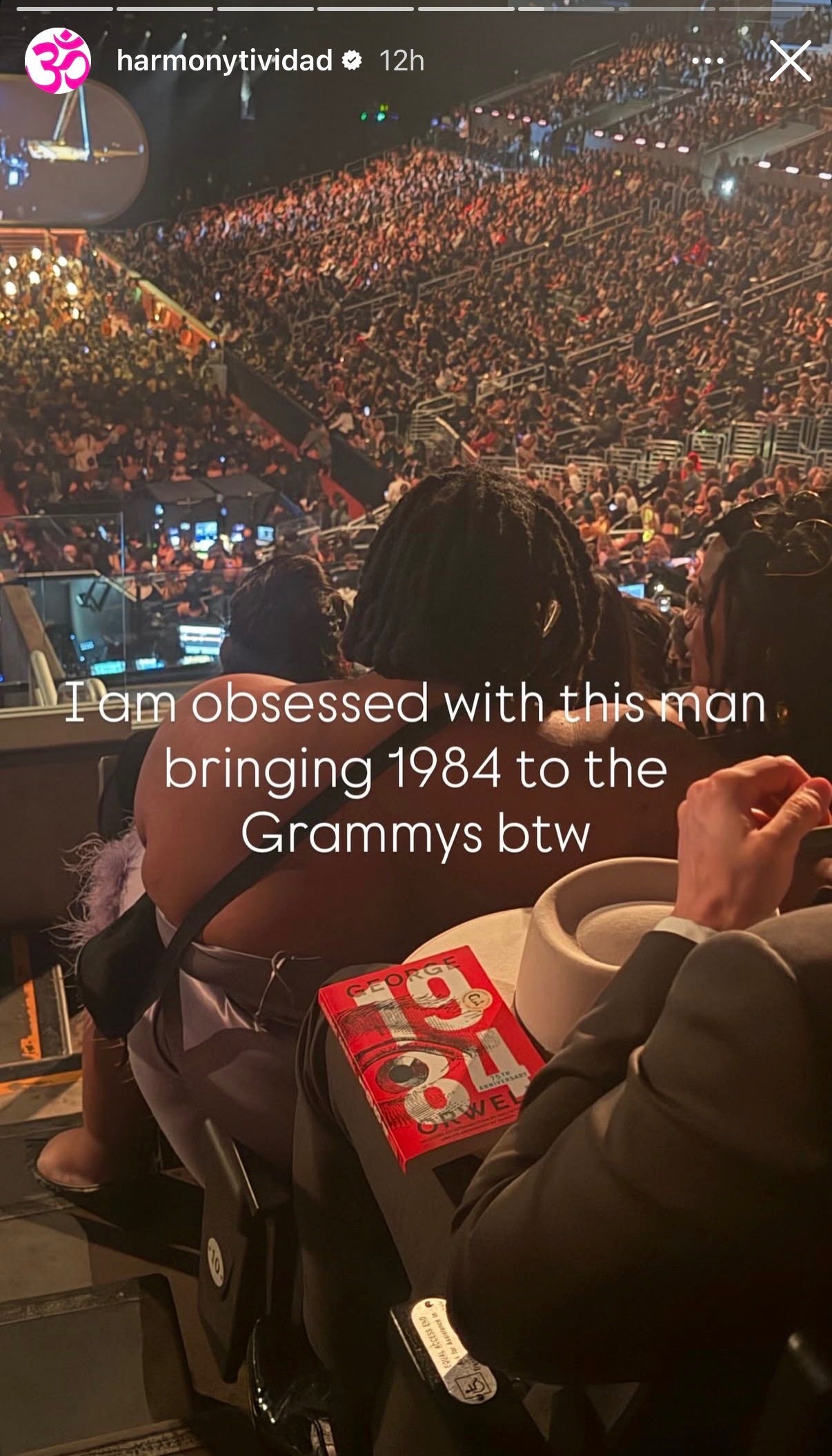
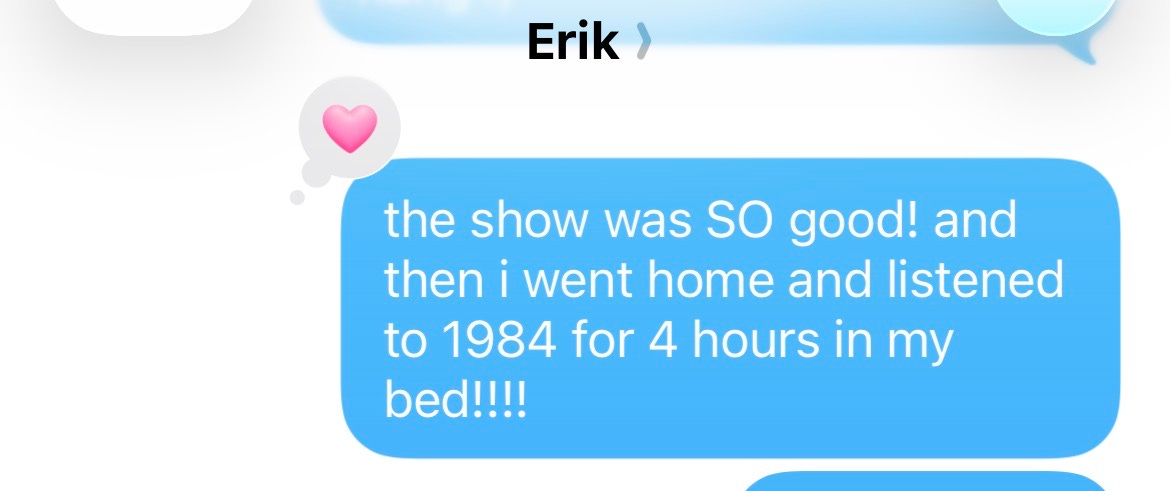
Alyssa Vingan sent us a dispatch that she’s had two girls tell her they’re rereading 1984 in the past month, and then spotted it on Harmony Tividad’s post from the Grammys. Sophia listened in January 2024 to get her out of a depression slump and found it extremely erotic. Are you reading?? Let us know…
Seasonal depression? Insomnia? Or just a GREAT plot? Sophia went to two fab book parties in sub-freezing weather, for Knopf at Bibliotheque and Scribner and Atria at Bookmarks atop the Library Hotel. Word on the white wine circuit is that Yesteryear by Caro Claire Burke (out April 7) and Jessica Knoll’s forthcoming thriller Helpless (out July 7) are the hottest galleys of the season. Pre-order now!
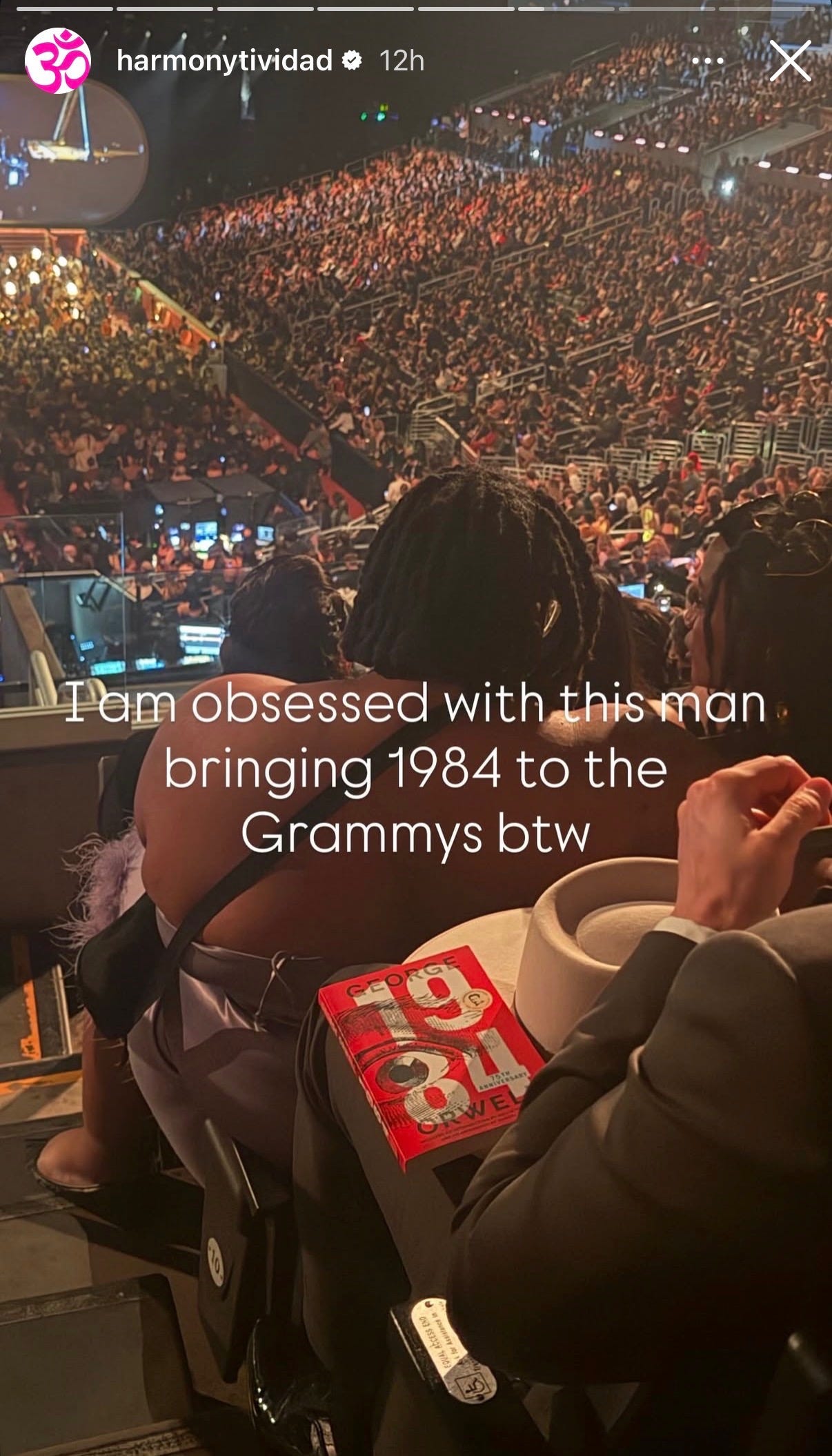
By Gráinne O’Hare
I didn’t realize until I was promoting my debut novel that it would be so difficult to come up with a succinct answer to the question ‘what books influenced your work?’ When anyone asks me this, I invariably forget every single book I’ve ever read. At a panel event shortly after Thirst Trap first came out, I was asked which author had influenced me most, and I choked out the response, ‘Probably Jane Austen?’ which is not incorrect but is also a bit like being asked to describe your journey to publication and beginning the story with the moment of your birth. I could write ten different lists with ten different books on each of them; teen fiction I enjoyed when I was younger (and indeed, still enjoy as an adult), historical fiction and classic literature that first made me want to write, novels about female interiority and the complexities of friendship that made me realize these were worth writing about, Irish novels that reminded me my home country was rich with character and storytelling potential… I could go on. The novels below are a selection of favorites from these many lists, books that have had a significant impact on me as both a writer and as a person.
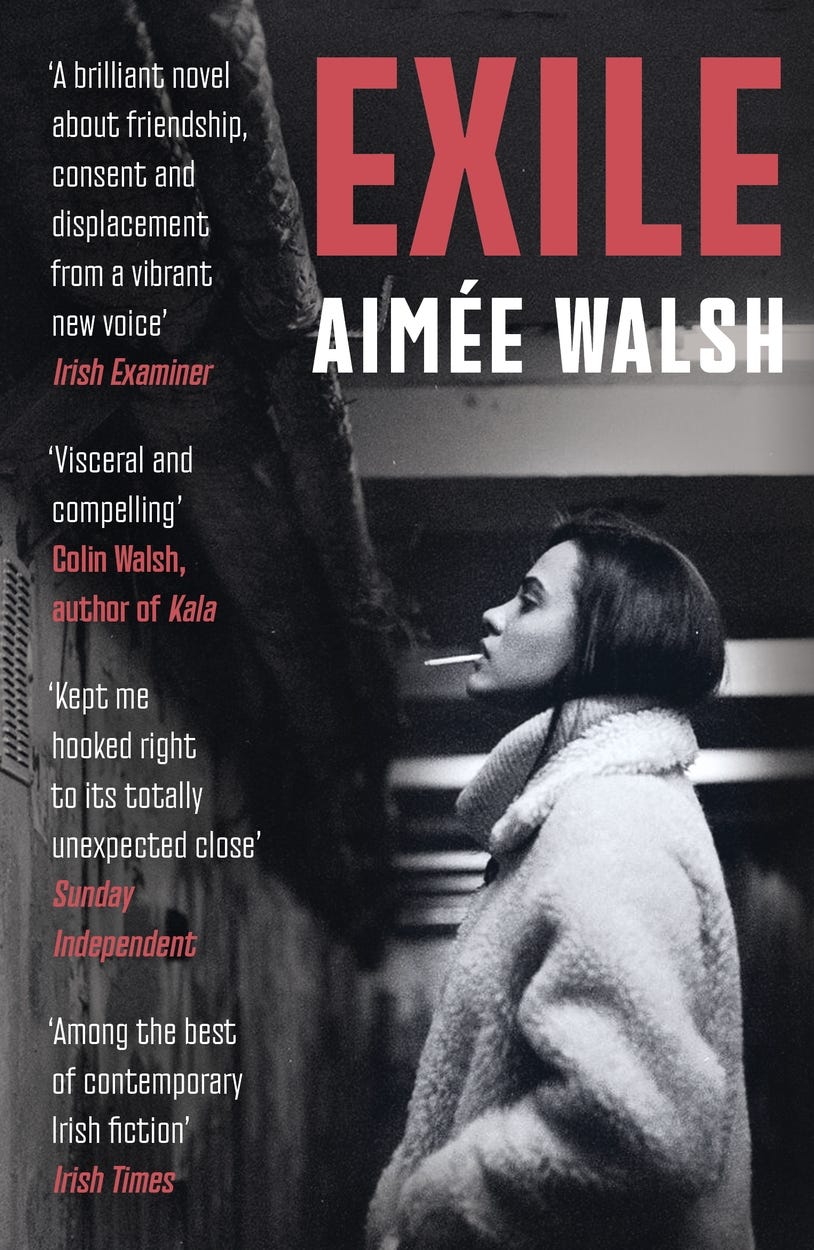
Exile by Aimée Walsh
I can’t help feeling like Thirst Trap and Exile are sister novels; Aimée and I met doing a Masters degree in Belfast, and we’ve been great friends for ten years. Exile paints a truthful and tender portrait of the disenchantment of young adulthood, the suffocating loneliness of moving away for uni, the complex evolution of friendship and the sting of betrayal, the bodily horror of trauma and its aftermath. Protagonist Fiadh is a narrator so alive on the page that you can feel her heartbeat in your own ears. Her friendships are passionate, honest, joyous, and painful. It’s a thoughtful and compelling story of feeling isolated in a strange city, as well as the uncanny discombobulation of returning home and finding it’s not the place you left— particularly when even your own body no longer feels like a safe place to inhabit.
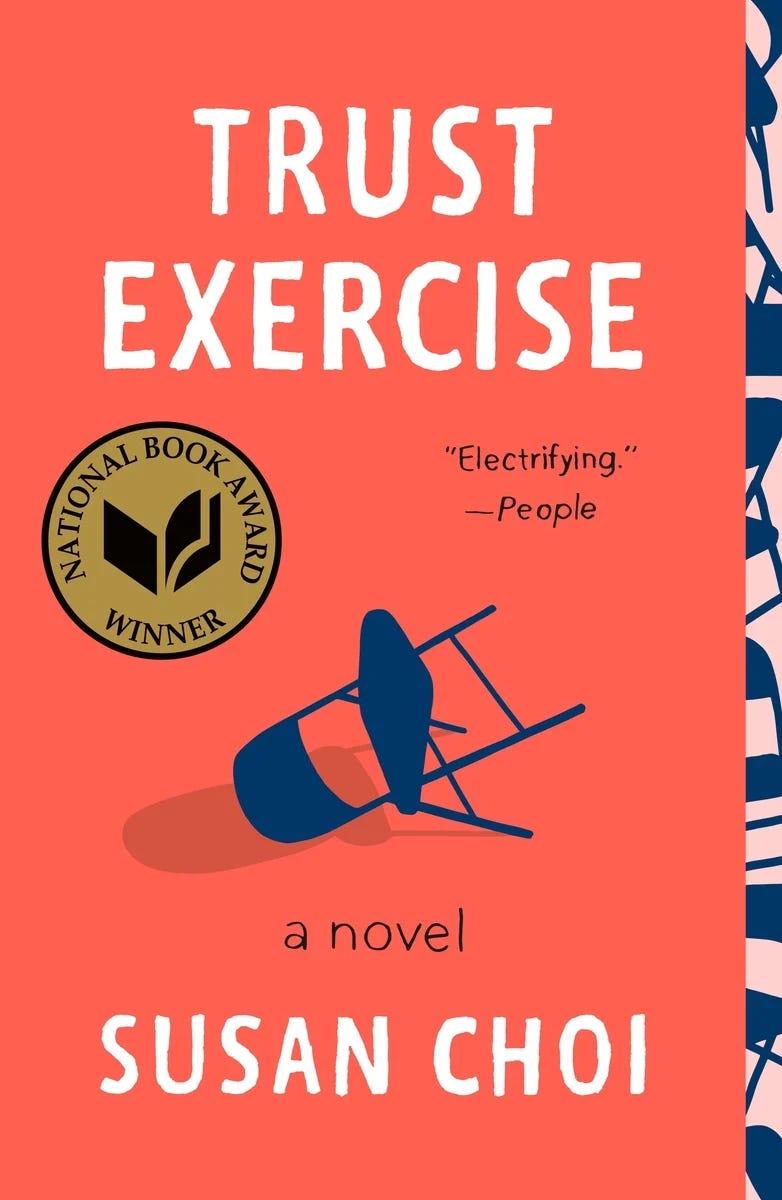
Trust Exercise by Susan Choi
ThThis was a bookclub pick during lockdown and I have to admit I wasn’t sold on it at first; I was all set to go on Zoom with my friends and demand to know why I should care about any of these horny drama school kids and their suspiciously charismatic acting teacher. As anyone who’s read and loved it will know, Trust Exercise is so much more than the straightforward coming-of-age tale it initially seems to be. It’s twisted, it’s clever, it made me think about writing differently, and I highly recommend it. Trust me!

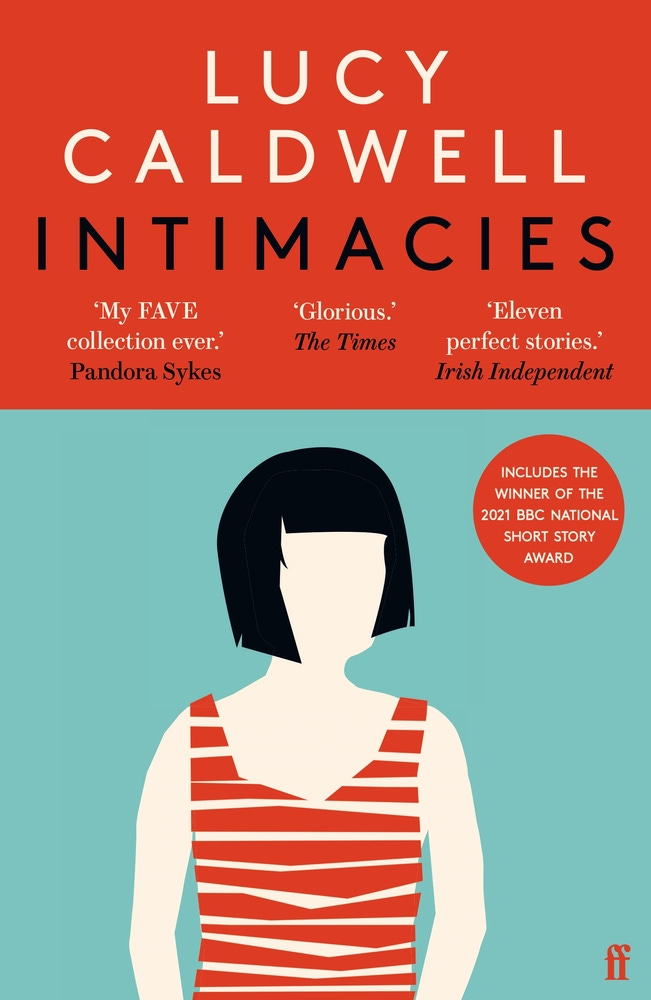
Multitudes and Intimacies, by Lucy Caldwell
I may have cheated a little by including not one but two short story collections by Lucy Caldwell, but it’s only because I feel they pair so well with each other. The stories in Multitudes broadly focus on the heartache and bittersweetness of growing up, while Intimacies is chiefly centred around matrescence, characters dealing with the pressures of having to be a grown-up despite often feeling at sea and at wits’ end as a new parent. Caldwell does a masterful job of balancing her characters’ emotional interiority with observations of the world around them, and she writes Ireland in such vivid detail. In my view, her work should be required reading for anyone who wants to write short stories.
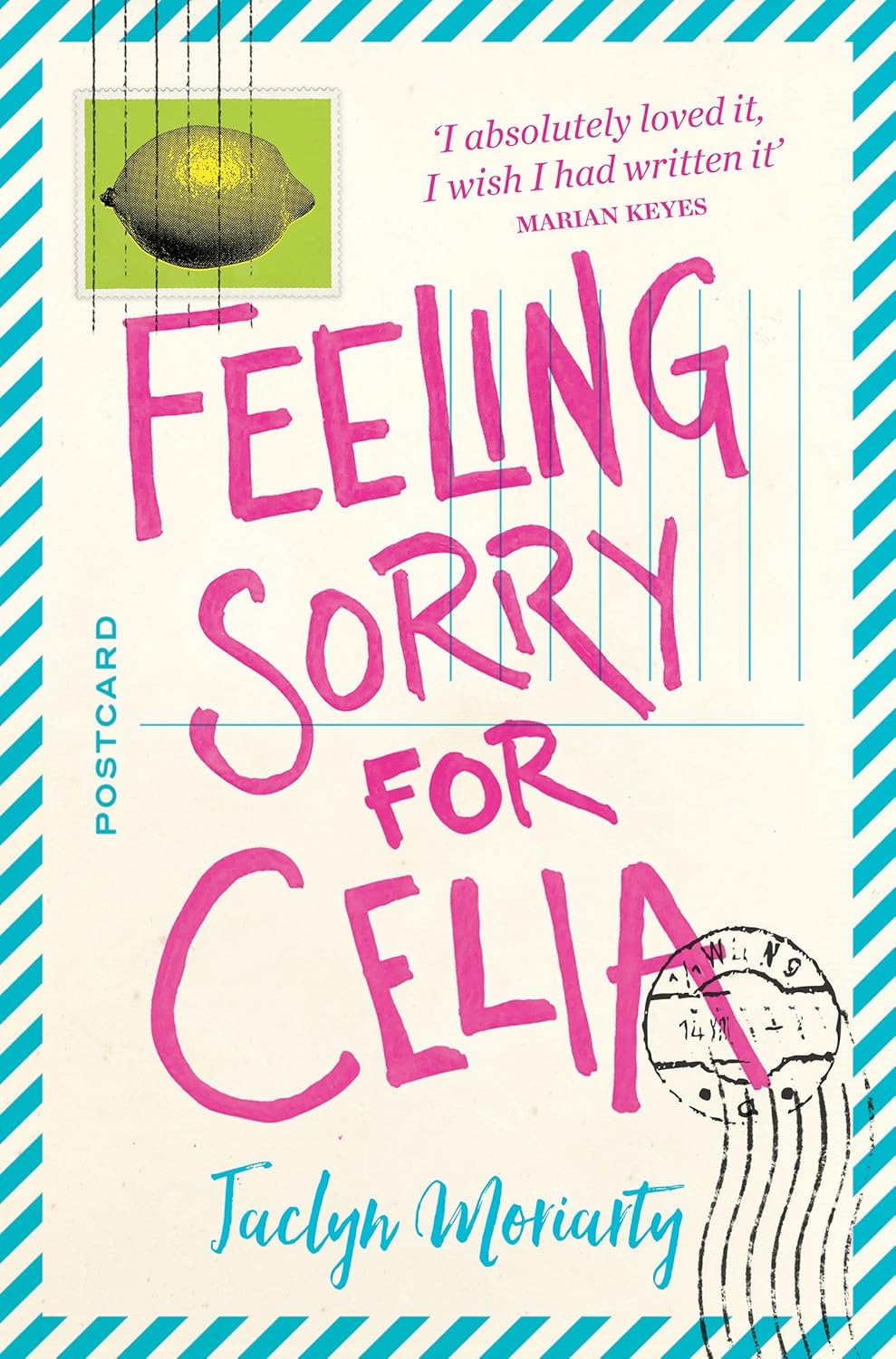
Feeling Sorry For Celia by Jaclyn Moriarty
Jaclyn Moriarty’s young adult books had me in a chokehold as a teenager. Her series of novels set between two Sydney high schools are mostly told through the medium of letters, emails, and hastily-scribbled notes between characters. The main correspondence at the heart of Feeling Sorry For Celia is between Elizabeth Clarry and Christina Kratovac, two girls who go to different schools and have been paired up as part of an inter-school penpal project. Elizabeth’s best friend, the titular Celia, is a flighty free spirit whose latest disappearance (running off to join the circus) begins to worry Elizabeth – worries she tells only to her new penpal. The characters in this novel (and others in the series, set in the same high school universe) go through more than their share of tribulations and trauma – and yet Moriarty’s prose is some of the most genuinely hilarious I’ve ever read. The balance between levity and darkness is perfectly executed, and something I’ve always wanted to emulate in my own work.
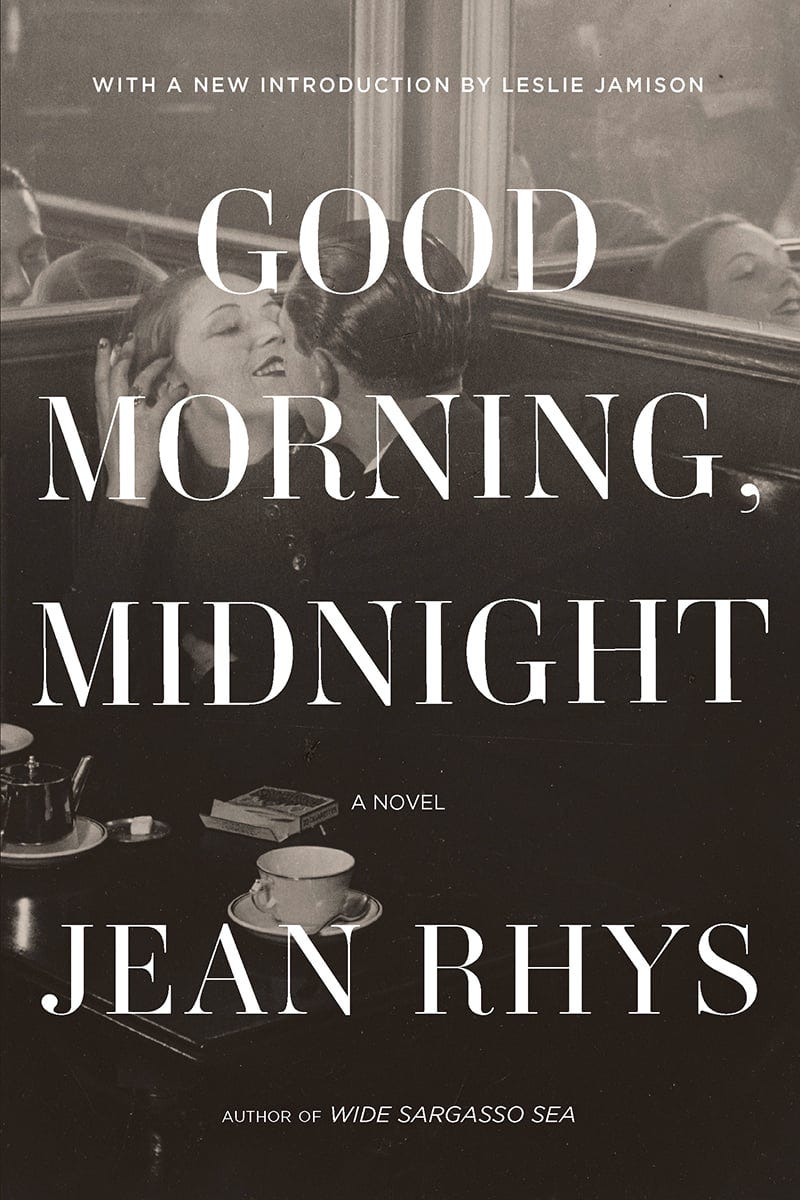
Good Morning, Midnight by Jean Rhys
This part from Good Morning, Midnight really stuck with me in terms of my own novel: “But careful, careful! Don’t get excited. You know what happens when you get excited and exalted, don’t you?... Yes. … And then, you know how you collapse like a pricked balloon, don’t you? Having no staying power… Yes, exactly. … So, no excitement. This is going to be a quiet, sane fortnight. Not too much drinking, avoidance of certain cafes, of certain streets, of certain spots, and everything will go off beautifully.” Jean Rhys wrote about cycles of depression, drinking, and existential ennui in the most absorbing and (pardon the pun) intoxicating way.